AfterAcademy Tech
In this blog, we will learn how to cross-join two tables in DBMS, and what are the benefits of doing it with example.
In this blog, we will learn about the two types of addresses that are used for memory in the operating system. Further, we will discuss the difference among these types of memories i.e. logical memory and physical memory.
In this blog, we will learn about the fragmentation problem that occurs during memory allocation. We will also study the types of fragmentation i.e. internal fragmentation and external fragmentation.
In this blog, we will first discuss what is Online Transaction Processing and Online Analytical Processing and then learn the difference among them.
In this blog, we will learn how to join two tables in DBMS. We will also learn about the various types of joins, mainly the inner and the outer join.
In this blog, we will learn about data independence and how it helps in doing modification in the database. Further, we will discuss its two types on the basis of levels of abstraction in DBMS.
In this blog, we will learn what is a stored procedure in DBMS, and how it is executed depending on the number of parameters passed.
In this blog, we will learn how to join a table by itself, and what are the benefits of self-join with example.
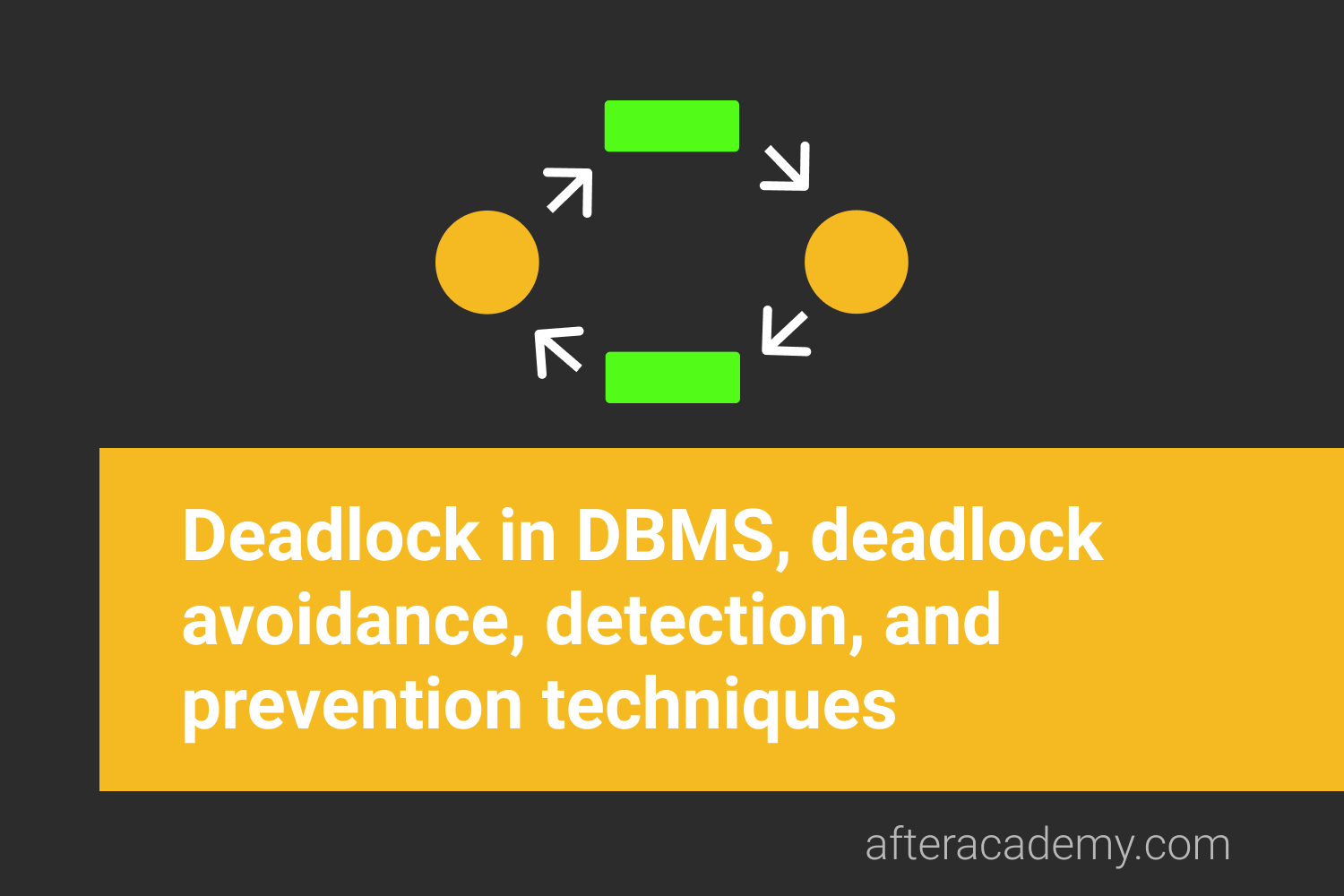
In this blog, we will learn what is a deadlock situation, what are various deadlock handling techniques like deadlock prevention, deadlock avoidance, deadlock detection, and deadlock ignorance.
In this blog, we will learn what is a transaction, what are the transaction states. We will also learn about the ACID properties that are followed by all the transactions taking place in the database.