AfterAcademy Tech
In this blog, we'll learn about the Network Operating System and its various features. We'll also see the types of Network Operating System, their advantages, and disadvantages.
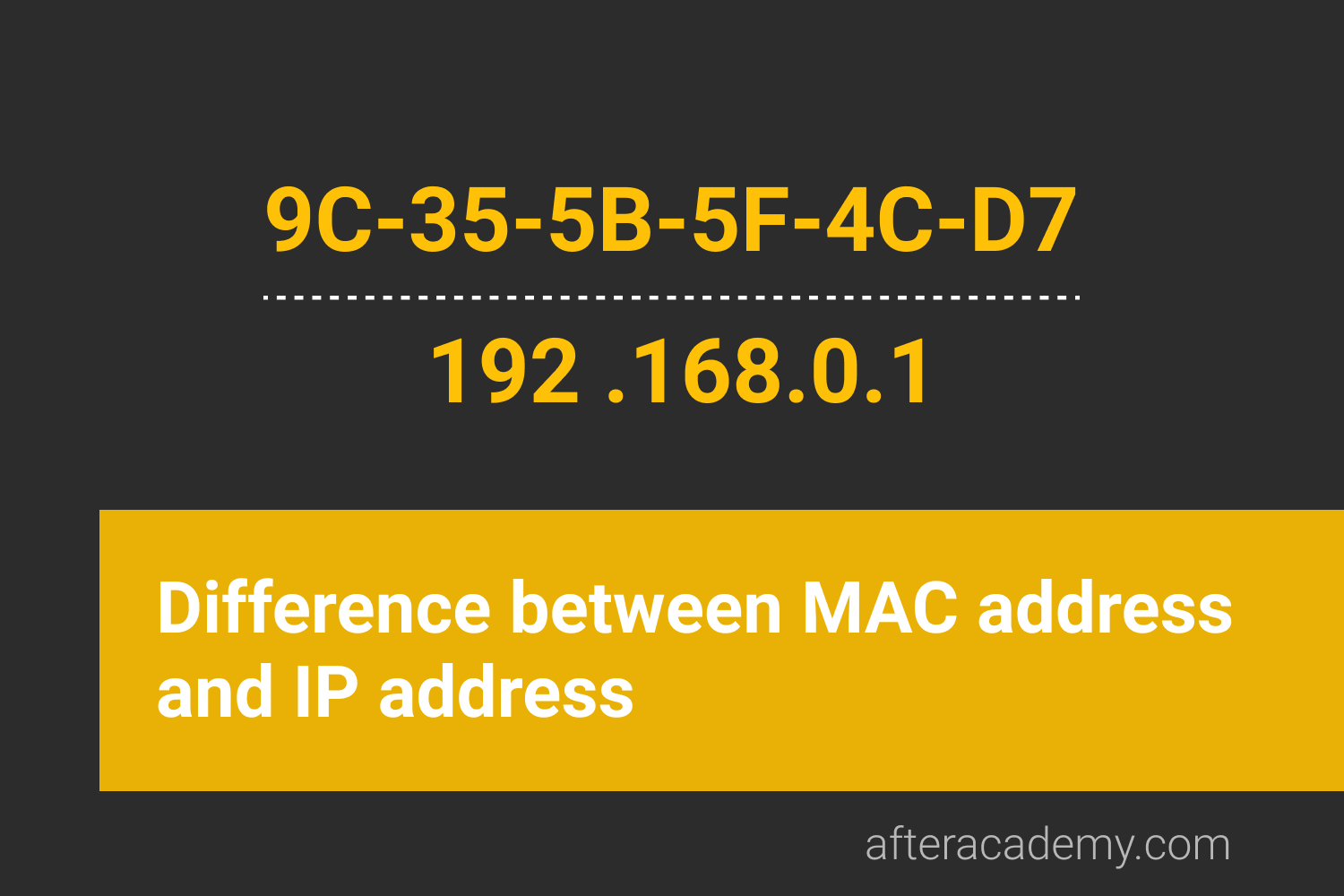
In this blog, we will first learn about the MAC and IP addresses in brief. And then, we'll see the dissimilarities between the two.
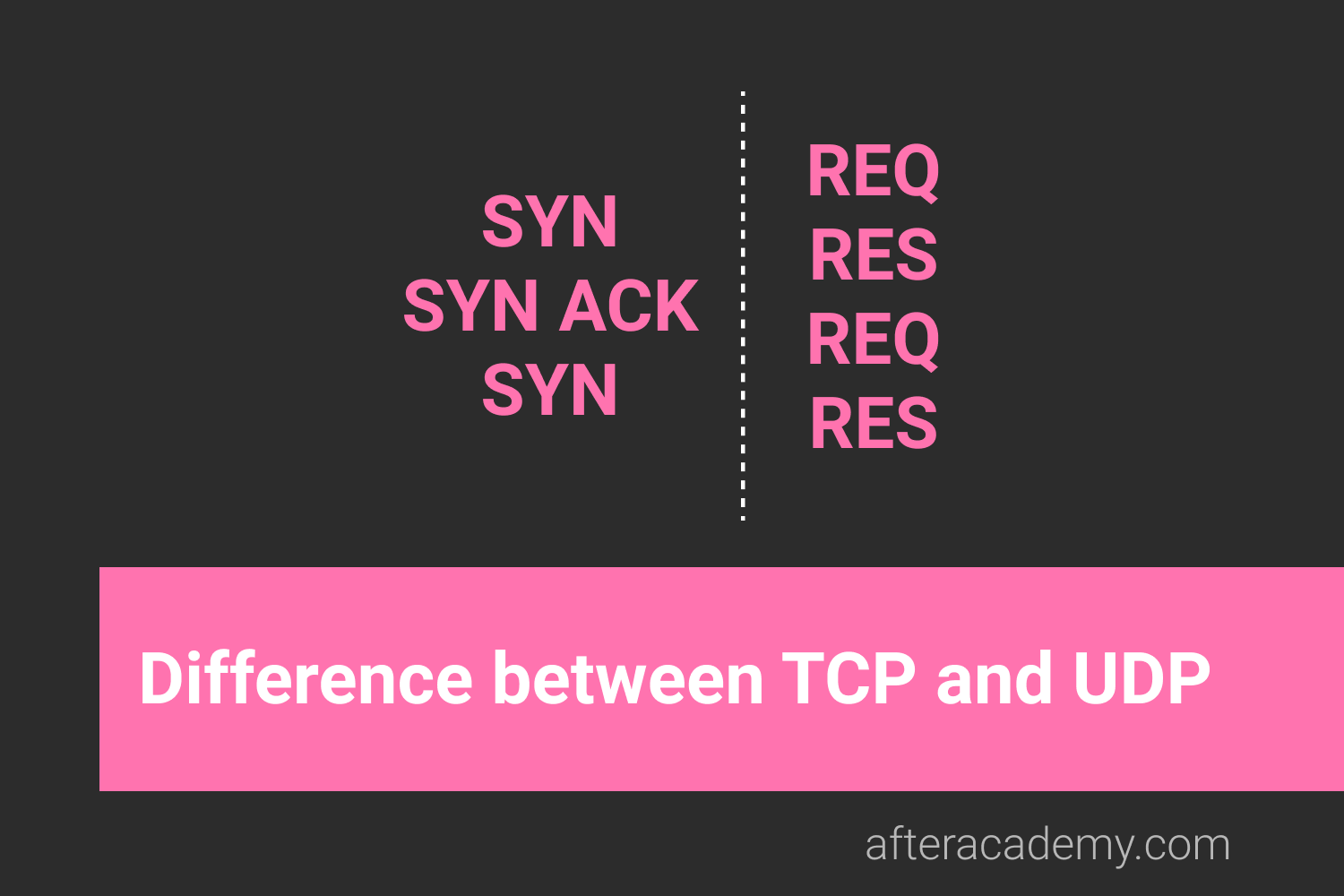
In this blog, we will first briefly understand TCP and UDP, and then we will see the dissimilarities between them. We'll also see which one is better to implement in which case.
In this blog, we will learn about what is an antivirus and how does it work. We will then discuss the dissimilarities between the firewall and antivirus.
In this blog, we have described the similarities and dissimilarities between the OSI and TCP/IP models. We've also tried to tell which model is better for which scenario.
In this blog, we will learn about some of the Scalar functions that are used in SQL.
In this blog, we will learn about some of the aggregate functions that are used in SQL. These aggregate functions take more than one value and return one value as a result.
In this blog, we will see the difference between the TRUNCATE, DELETE, and DROP statements that are used in MySQL.
In this blog, we will learn various types of constraints that can be applied on a table. These constraints can be used to validate the data present in the table. We will learn about NOT NULL, UNIQUE, PRIMARY KEY, FOREIGN KEY, CHECK, and DEFAULT
In this blog, we will learn about what is RIP and how does it work. We will also discuss what are versions of RIP and various RIP timers. In last will see the advantages and disadvantages of this protocol.