AfterAcademy Tech
In this blog, we will learn about a specific deadlock, i.e., Phantom deadlock, and will also see some examples of its occurrence.
In this blog, we will see one of the deadlock avoidance methods i.e. Banker's Algorithm. In this algorithm, we will discuss that if we are given the number of resources available and the number of resources required by the process then we can tell that if the system will go in deadlock or not. We will understand this concept with the help of an example.
In this blog, we will learn about threads and its two types i.e. user-level thread and kernel-level thread. We will also see what are the advantages of using threads in the OS. Finally, we will learn about the difference between process and thread
In this blog, we will learn about various multithreading models like one-to-one, many-to-one, and many-to-many. We will compare these models and analyze which one is the best. Further, we will also see the benefits of multithreading.
In this blog, we will learn about the various differences between SQL and SQL server based on some points.
In this blog, we will see what is pattern matching in SQL. We will also learn to perform pattern matching with examples.
In this blog, we will learn about two non-contiguous memory allocation technique i.e. paging and segmentation. We will also learn how the logical address is converted into the physical address in both the techniques. Further, we will analyze the advantages and disadvantages of each technique.
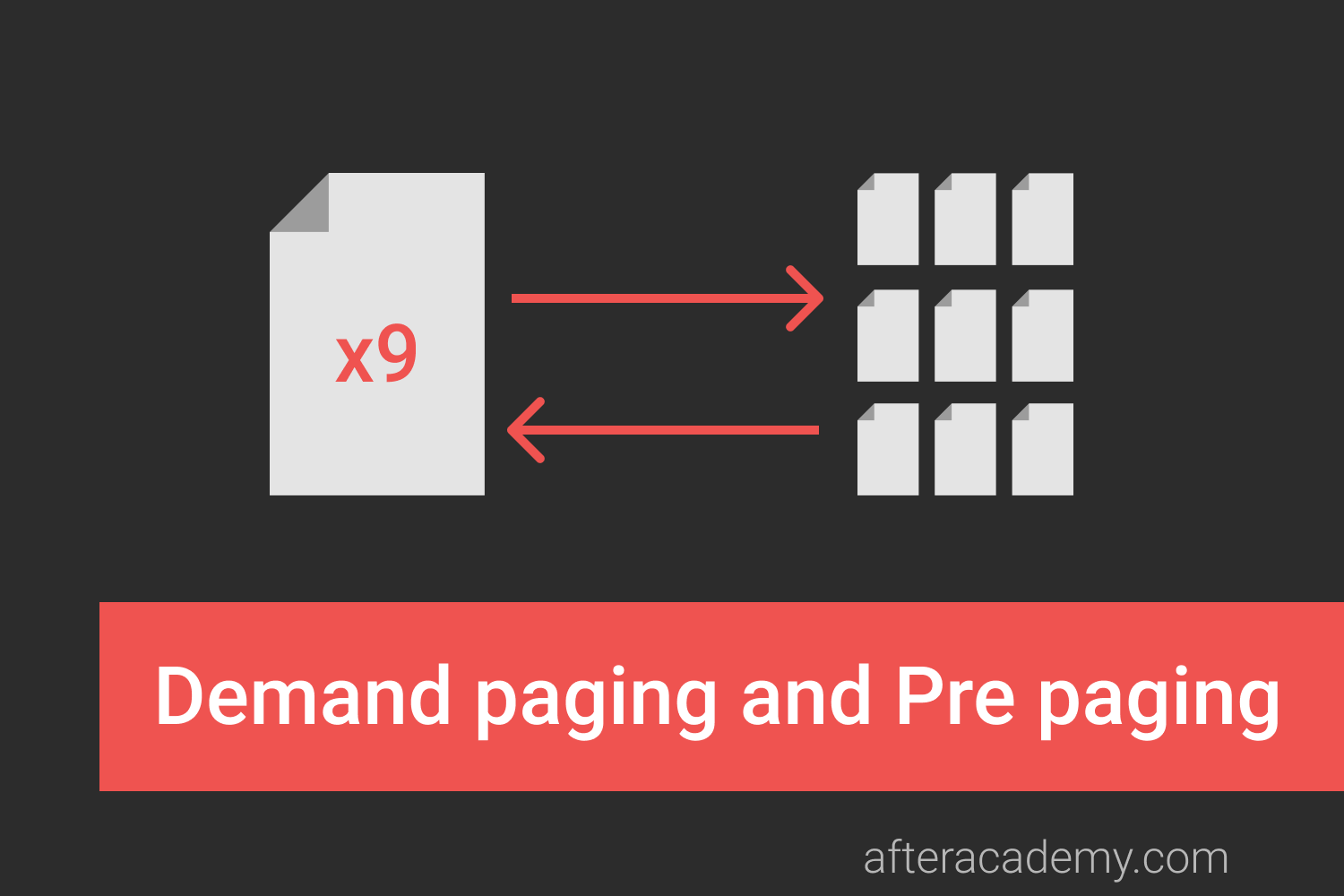
In this blog, we will learn how pages are brought into the main memory in virtual memory systems. We will see two ways of doing this i.e. demand paging and pre-paging.
In this blog, we will learn what is Belady's anomaly and we will analyze how increasing the frame number leads to Beladys Anomaly in FIFO.
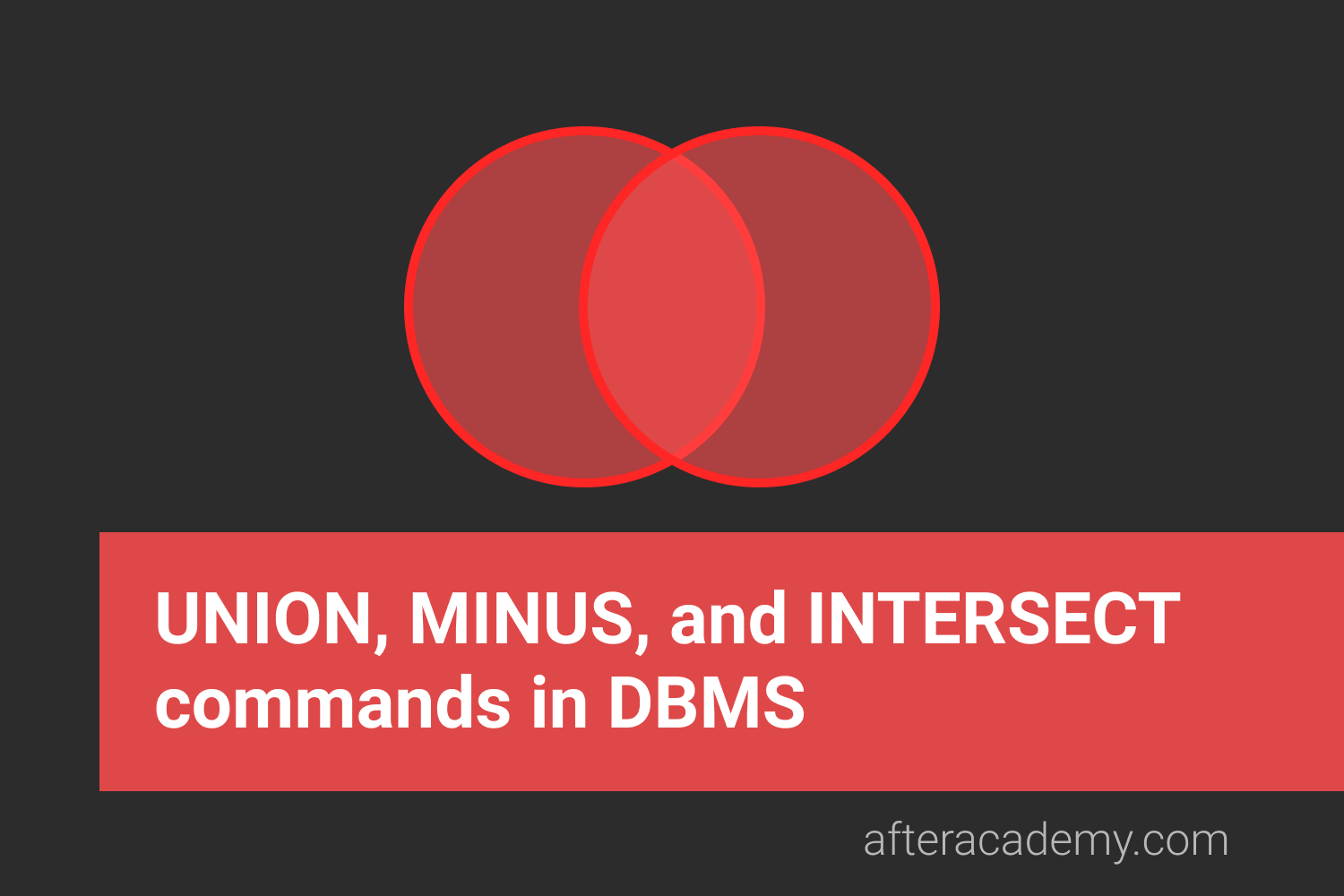
In this blog, we will learn what are the UNION, MINUS, and INTERSECT commands in SQL. We will also see their application with examples.