AfterAcademy Tech
Given a binary search tree (BST), find the lowest common ancestor (LCA) of two given nodes in the BST. This is a very famous interview problem and previously asked in Microsoft and Amazon.
Given a binary tree, write a program to find the lowest common ancestor (LCA) of two given nodes in the tree. The question is asked previously in Amazon, Facebook, Adobe and requires an understanding of tree data structure.
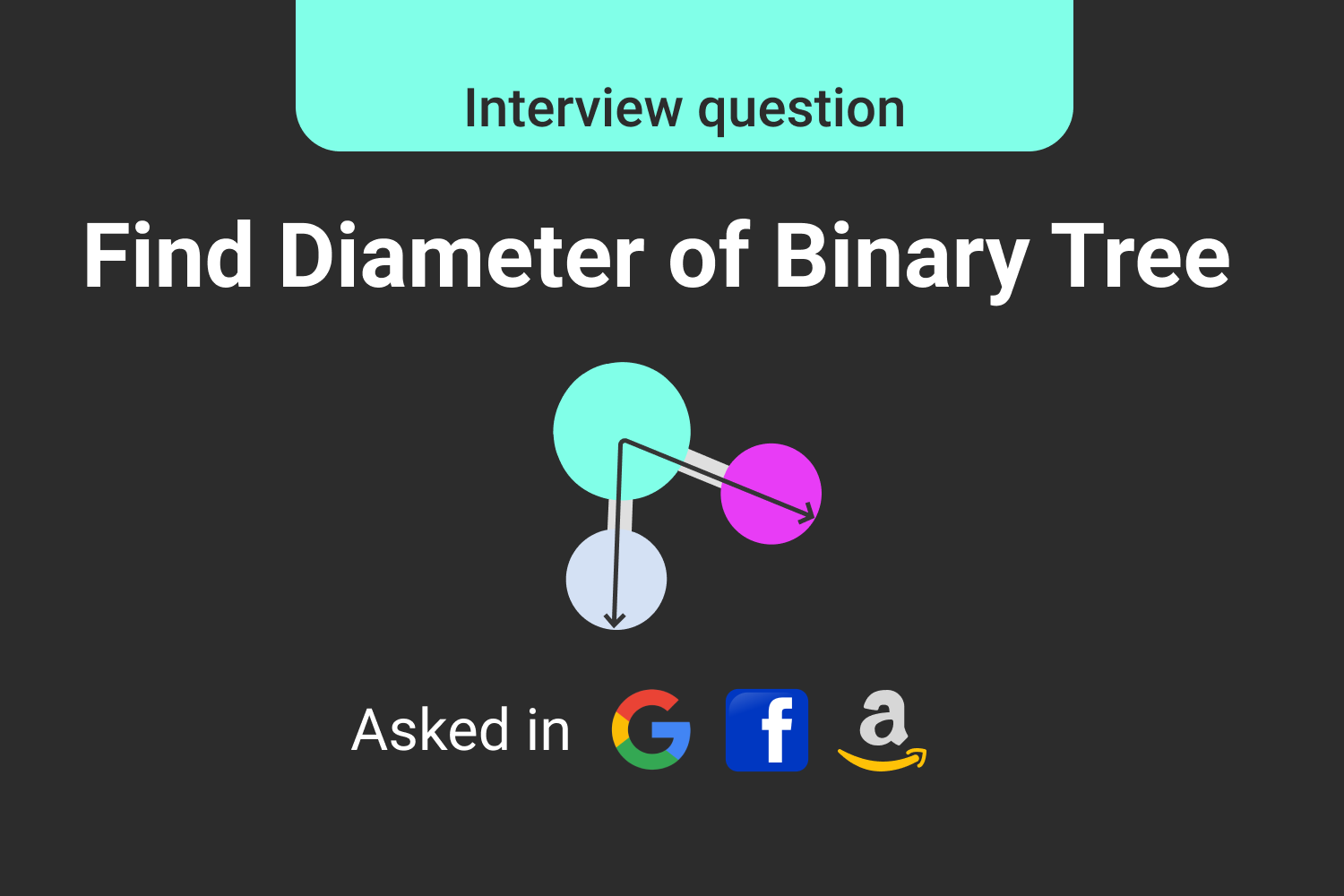
Given a binary tree, you need to compute the length of the diameter of the tree. The diameter of a binary tree is the length of the longest path between any two nodes in a tree. This path may or may not pass through the root.
There are two sorted arrays nums1 and nums2 of size n. Find the median of the two sorted arrays.
These are two very useful and commonly used algorithmic paradigms for optimization and we shall compare the two in this blog and see when to use which approach.
This is a famous interview problem asked in companies like Amazon, Microsoft. Here the basic idea is to think of the data structure which can easily solve this problem.
Given an integer, your task is to find the square root of the integer. For an integer x to be the square root of the given integer N, x*x must be equal to N. This is an interview problem asked in companies like Amazon, Microsoft and Facebook.
This blog deals with the introduction of greedy algorithms for beginners and enthusiasts.
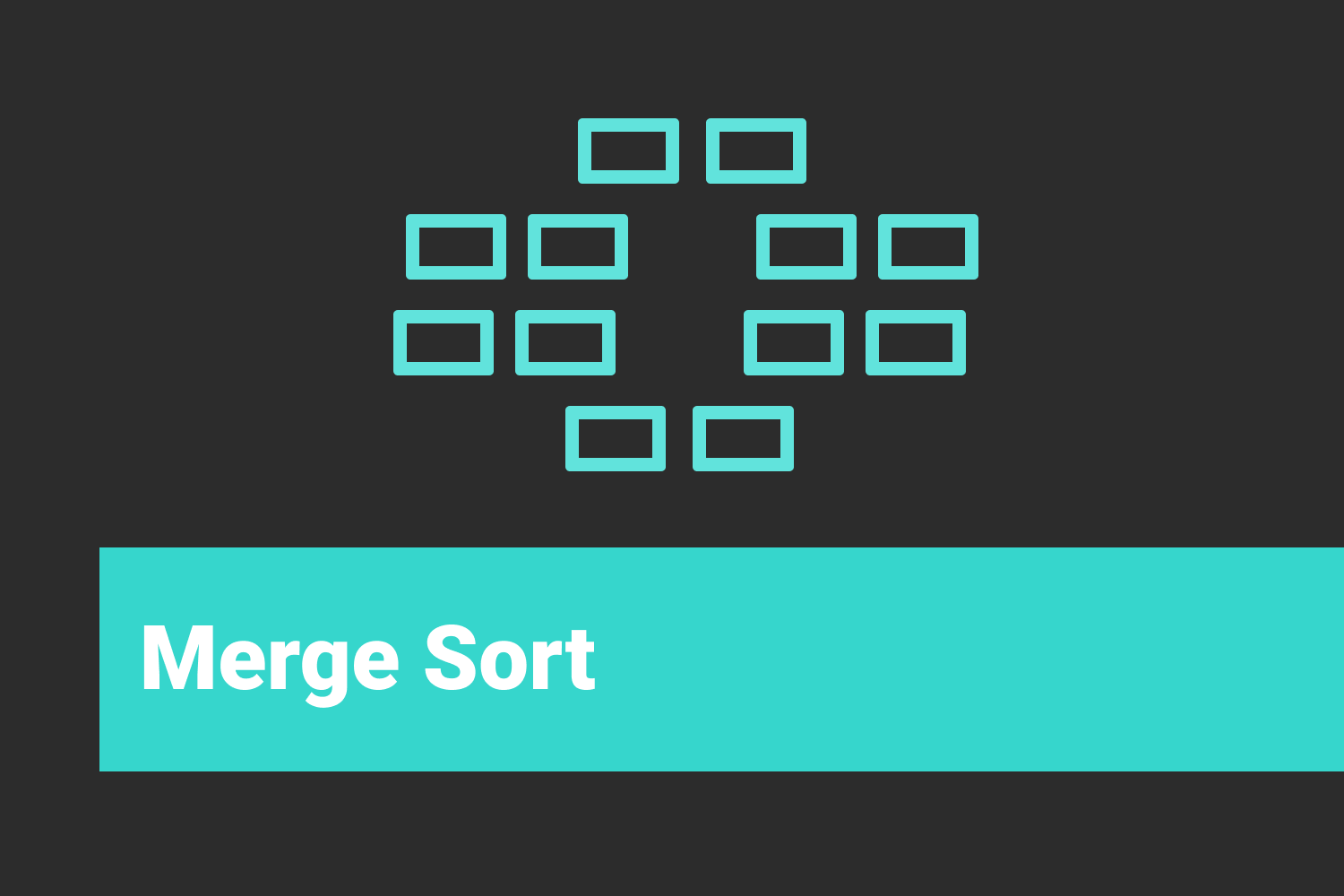
Merge sort is a divide-and-conquer algorithm based on the idea of breaking down a list into several sub-lists until each sublist consists of a single element and merging those sublists in a manner that results into a sorted list.
Priority Queues are similar to queues where we insert an element from the back and remove an element from the front, but with one difference that the logical order of elements in the priority queue depends on the priority of the elements. In this blog, we will discuss the priority queues, its properties, its various implementations, and its applications. We will also analyze and compare the various implementations of the Priority Queue.